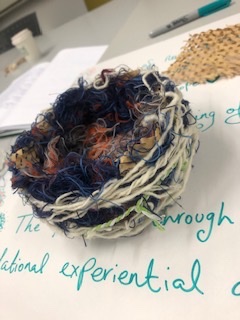
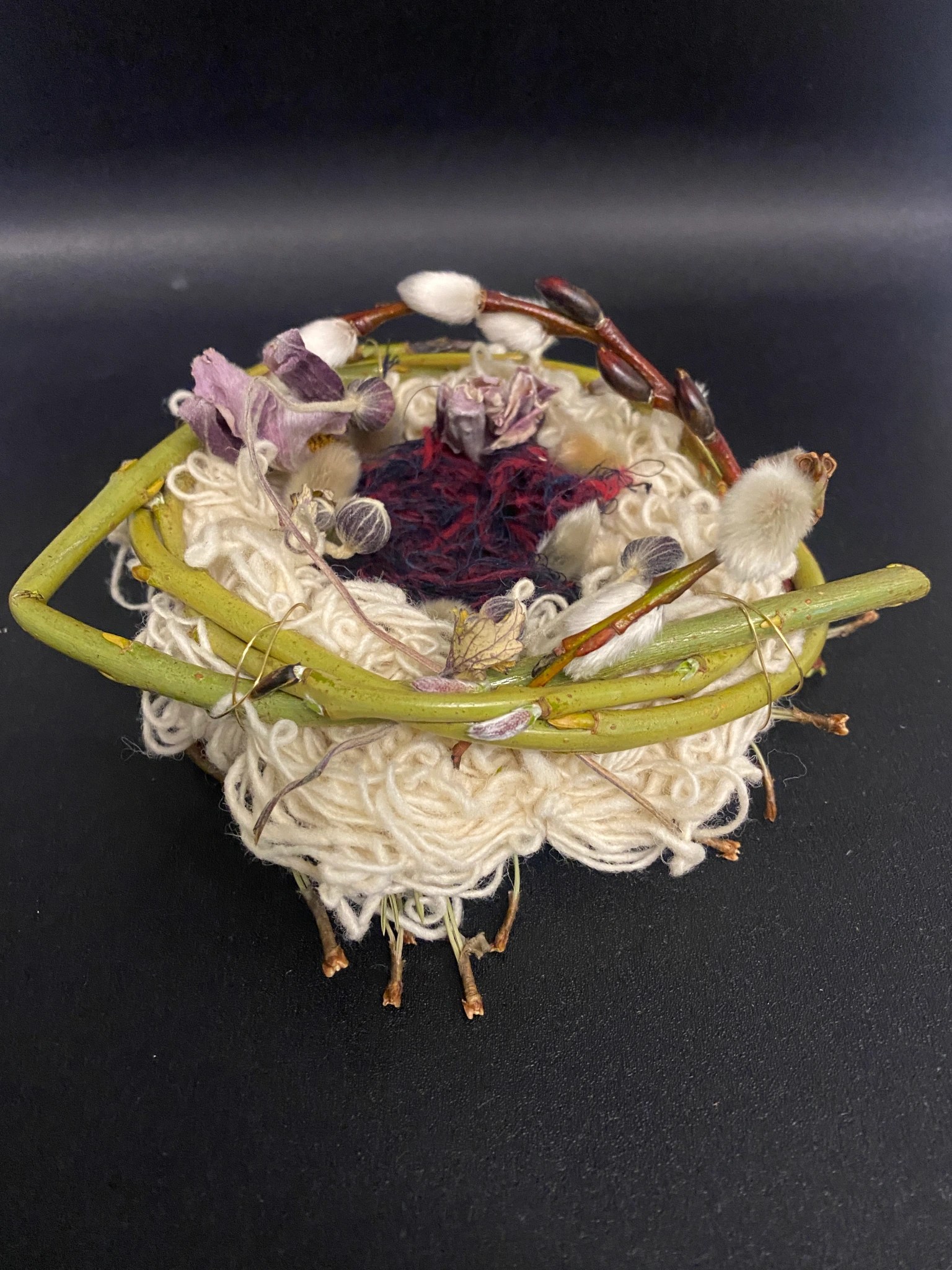
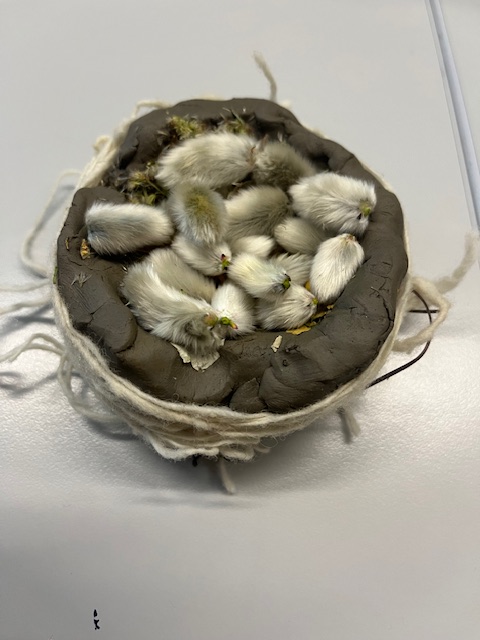
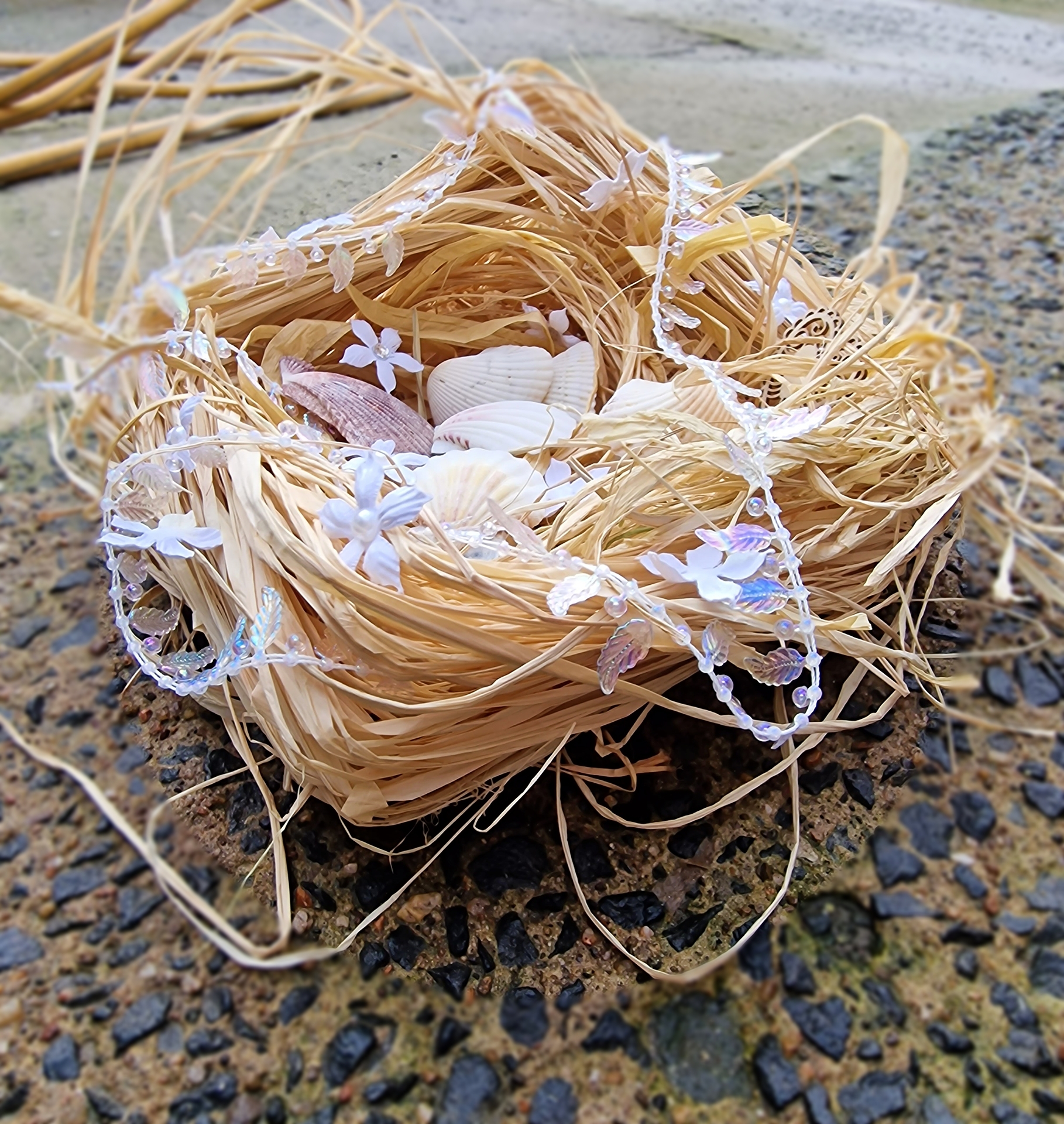
Figure 1, Figure 2, Figure 3 and Figure 4. Art psychotherapy learners created mixed media nests as a psychological base for comfort, nurturance, creativity and resourcefulness—all conditions for higher education learning. These nesting habitats align with the reflective practice themes of holding and security within the practice of art psychotherapy (MSc Art Psychotherapy, 2024).
An Ecology of Care in higher education is a support structure for fulfilling learner aspirations. “The ecology of care model supports belonging and mattering, two key mental health attributes for learners in higher education, within a classroom as studio” (Whitaker, 2025). An ecology of care is a method used in architecture, the humanities, socially engaged art, health and education to redesign or re-contextualise relational surroundings for enhanced communication, focus, collaboration and learning. It can also bestow comfort, concentration and productivity. An ecology of care creates a scene and an atmosphere, offering an opportunity for reflection, curiosity and making with what is at hand and available to us.
The purpose of the Ecology of Care blog is to encourage a participatory ethos within higher education learning and teaching with an attention to classroom interior design. It was formulated in relation to the MSc Art Psychotherapy course at Ulster University, Belfast School of Art. In 2025 an action research project was conducted by art psychotherapy lecturer, Pamela Whitaker with final year art psychotherapy trainees. The aim of the study was to determine learner engagement in response to a curated display of objects, natural materials and refreshments in a classroom environment. The intention was to nurture a learner’s sense of belonging within a classroom studio that contained a learning landscape of interaction (Active Learning Toolkit, 2025).
The methodology and outcomes of this action research project were submitted as coursework for the MEd in Higher Education Practice at Ulster University (Centre for Professional Practice Enhancement). “A programme grounded in critical reflective practice, where educators critically examine their teaching methods and their impact on the student experience” (Master of Education in Higher Education Practice, 2025).
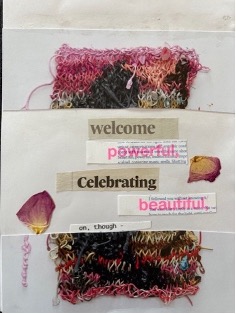
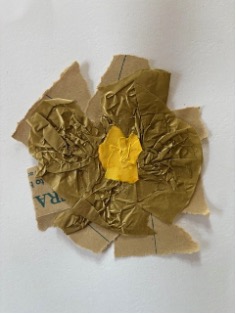
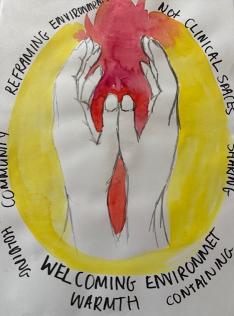
Figure 5, Figure 6, and Figure 7 Artworks from research participants in response to the question: What do you consider beneficial about an ecology of care in the art psychotherapy classroom? Responses are listed below under Beneficial Characteristics of an Ecology of Care.
Research Question
Can a classroom environment enhance student experience in higher education through the co-creation of a classroom display (ecology of care) that enhances both student voice and student experience?
Research Aims
To develop an arts-based display within a higher education classroom environment to facilitate belonging, persistence and engagement.
To personalise a classroom environment encouraging the making of a community table for teaching and learning.
To produce a model of classroom engagement which can be applied to other disciplines within higher education to enhance student experience.
(Whitaker, 2025)
My interest in environmental psychology, site specific art installations, neuroscience and public practices of art therapy influence my higher education teaching. An educator is a curator of both a curriculum and an environment of learning, each offering support structures for interaction. Active learning comes alive when the place of learning is hospitable, comforting and atmospheric. A classroom studio is a useful way to describe the de-institutionalisation of an impersonal classroom or built environment without a vibe of welcome. By reconfiguring a classroom as a co-produced studio for collaborative making, learners challenge the authority of a university’s architectural presence. A studio is not for making-do, but rather for making an all-out effort, it invites experimentation and production, without imposing a pre-existing authority. Classroom design can influence student satisfaction, behaviour, academic performance and wellbeing and should be considered an essential component of educator and student experience (Makaremi et al., 2024).
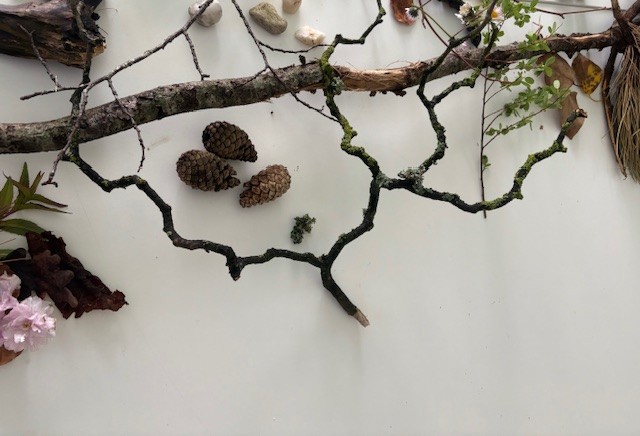
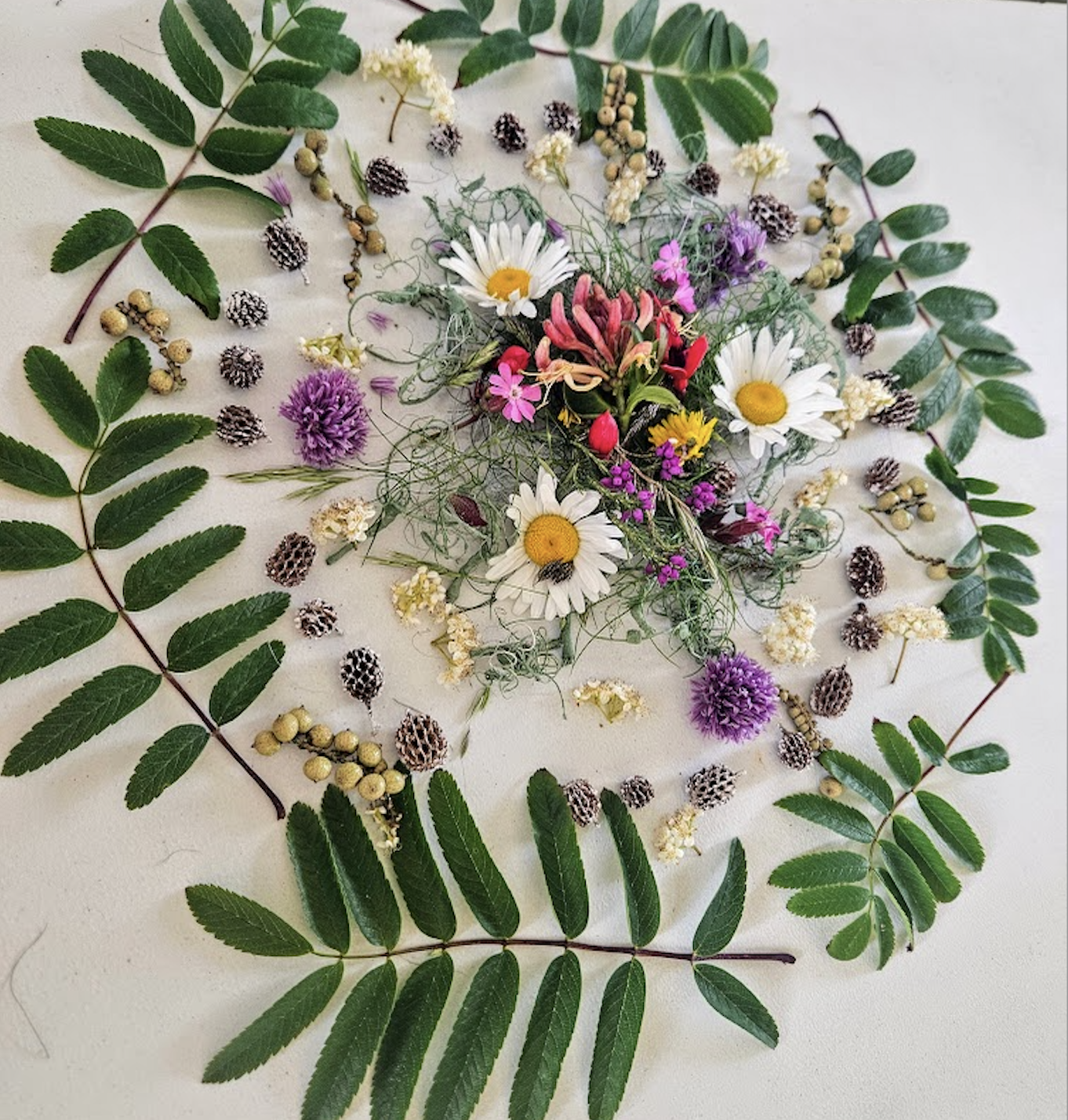
Figure 8. A group tablescape created during an ecology of care workshop. Both a centrepiece and a focus point for gathering, this collaborative assemblage was produced as a witnessing of the changing of a season. Whitaker, P. (2025) Personal Collection.
Makaremi et al. (2024) investigated the role of university campus buildings as contributors to shaping the overall wellness of students. Their research encouraged the consideration of classrooms as places to promote wellness in addition to signposting learners to student wellbeing or mental health services (Makaremi et al., 2024). The spatial environment of a classroom shapes “learning experience [and] academic performance [influencing] cognitive, affective/emotional evaluations of student satisfaction” (Makaremi et al., 2024). It is the home base for teaching and learning and can be an asset (infrastructure) in the psychology of learning. Elkington and Dickinson (2025) contextualise learning spaces as mediating authenticity and responsiveness. The composition of a learning environment is networked by learners and educators loosening the boundaries of a classroom’s function to promote adaptation and the fluid representation of learner and educator identities (Elkington and Dickinson, 2025).
Curating is derived from the Latin word to look after—curare, organise, treat or cure (Ecologies of Care, 2025).
A classroom is an assemblage of people, materials and place. It operates as a networking of emergent interactions, which are co-evolving and co-created (Tan, 2025). A curator and educator are both custodians of knowledge. Curators are responsible for collecting, sharing knowledge and facilitating public engagement in a similar way to the role of educators. A curator and educator recognise the significance of how knowledge is organised to facilitate an immersive experience.

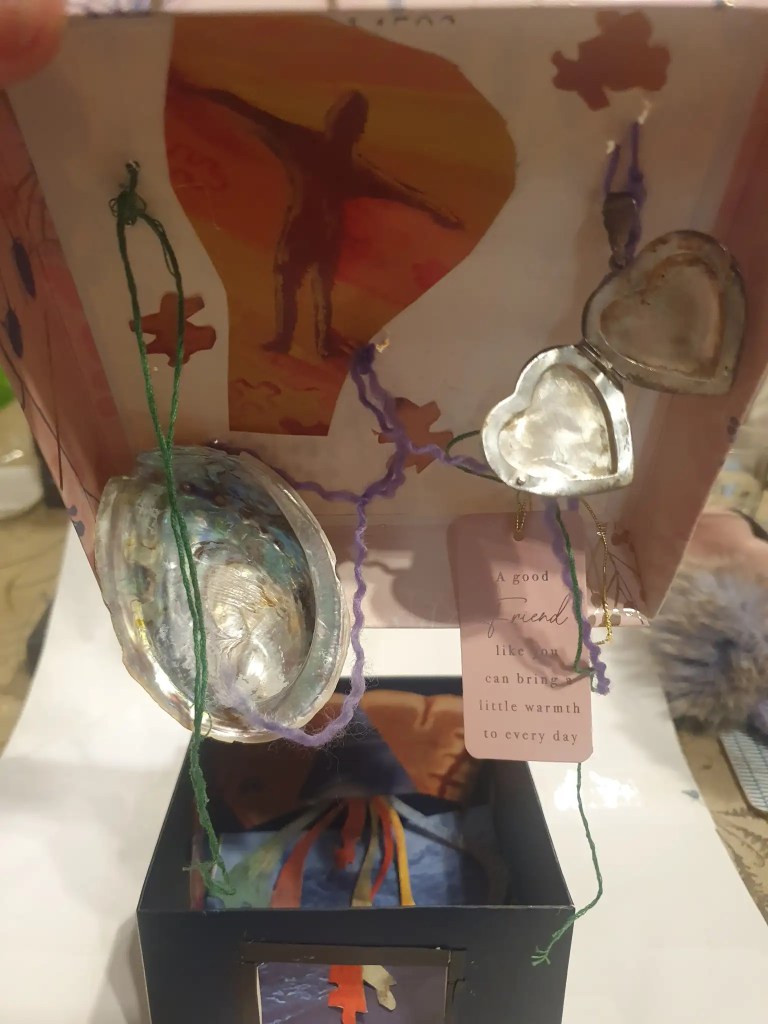
Figure 9 and Figure 10. An artwork by Maggie Mulhare for an art psychotherapy studio practice on the topic of sculptural lifelines and assembling narratives through found and personalised objects (MSc Art Psychotherapy Blog, 2023).
Beneficial and Unbeneficial Characteristics of an Ecology of Care
Responses from MSc Art Psychotherapy Trainees (June, 2025)
Beneficial Characteristics Togetherness, Cosiness, A Sense of Ritual, Less Institutional, A Space of Comfort, Softness Brought into Spaces with Hard Edges, Nesting, Welcoming, Inclusivity, Non-Hierarchical, Being Around the Same Table, Learning from Others, Interaction, Going Back to our Roots, Gathering, Natural Feelings, Connection, A Reason to Come to Class, Relational, Less Intimidating, More Connections with Lecturers, Focus on Objects, A Chance to be Non-Verbal, Softening, Soft Glowing Light, Puts us at Ease, Gathering Space, A navigation point for orientation in a classroom, Improves Group Rapport, A Chance to Get to Know People in Class, It Develops Community, Curiosity, Conversation Starter, Nourishing Food and Drink, Care-Giving, Enhances Student Participation, Breaks Down Barriers, Promotes Inclusion and Curiosity, Objects Bring People Together, Conversation Starter, Nostalgia, Memories, Reframing Environments, Warm and Containing, Holding, Non-Clinical Spaces, Celebrating the Beautiful, Assembly, Fun, Equality, Act of Service, Care, Beauty, Making Special, Celebration, Understanding, Revolution, A Welcome after Commuter Travel to University
Unbeneficial Characteristics Additional Preparation, Extra Time and Effort, Embarrassment of Eating in Front of People, Feeling Inadequate about my Contributions to the Ecology of Care Table, Awareness of a Contribution being Potentially Offensive or Triggering to Others
(MSc Art Psychotherapy research participants, personal communications, June 20 2025) (Whitaker, 2025)
Ecology of Care Alignment with UN Sustainable Development Goals
The Ecology of Care model for higher education aligns with the following Sustainable Development Goals: Good Health and Wellbeing, Quality Education, Reduced Inequalities, Responsible Consumption and Production, Climate Action, Peace, Justice and Strong Institutions.
By referencing and applying Ulster University’s learning and teaching strategies an ecology of care reduces inequalities by promoting round table discussions aligning to belonging, wellness and mattering. Responsible consumption and production is incorporated in an ecology of care using readymade materials (found objects and personal possessions), which reduces reliance on bought art materials and single purpose usage of art media. This is an example of climate action reflected in the ethos of new materialism, which recognises the agency of materials and humans as being intra-active, each influencing and shaping the other as an entanglement of equals, constituted through response-ability (Karen Barad, 2021).


Figure 11, Figure 12, Figure 13, Figure 14, Figure 15 and Figure 16, Sustainable Development Goals aligned with the Ecologies of Care Model (United Nations, 2015).
Ulster University Strategies
The ecology of care model aligns with the following Ulster University strategies: People, Place and Partnership (Ulster University, 2023), Principles and Qualities of Learning, Teaching and Student Experience at Ulster University (Ulster University, 2025a), Embedding Wellbeing in the Curriculum (Ulster University, 2025b) and Graduate Attributes (2025c). It is also part of an Active Learning Toolkit (2025), Education for Sustainable Development (2025) and EDI in the Curriculum in the Toolkit (2025).
People, Place and Partnership (Ulster University, 2023)
Embedding student engagement and partnership in the curriculum.
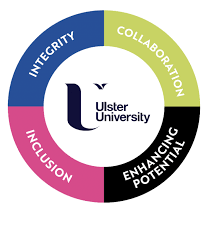
Figure 17. Values Statement, People Place and Partnership (Ulster University, 2023). The ecology of care model is applicable to a learners’ graduate portfolio as a skillset for inclusion, integrity, collaboration and enhancing the potential of art psychotherapy service users.
Principles and Qualities of Learning (Ulster University, 2025a)
Student Charter
The university is committed to a student’s learning journey “providing a safe, supportive yet challenging learning experience to build self awareness that will help them build their full potential” (Ulster University, 2025a). The Principles and Qualities of Learning promote a “learning landscape” combining informal and formal spaces for interaction (Active Learning Toolkit, 2025). An ecology of care contributes to a learning landscape which encompasses both on campus and at home learning. It also supports qualities of learning particularly the building of relationships (Ulster University, 2025a).
Embedding Wellbeing in the Curriculum (Ulster University, 2025b)
Key Attributes of Student Wellbeing Supported by the ecology of care model: self-awareness, self-reflection, self-regulation, building relationships, deepening focus and building belonging, scaffolding peer learning and teamwork, flourishing, identity, voice and resilience.
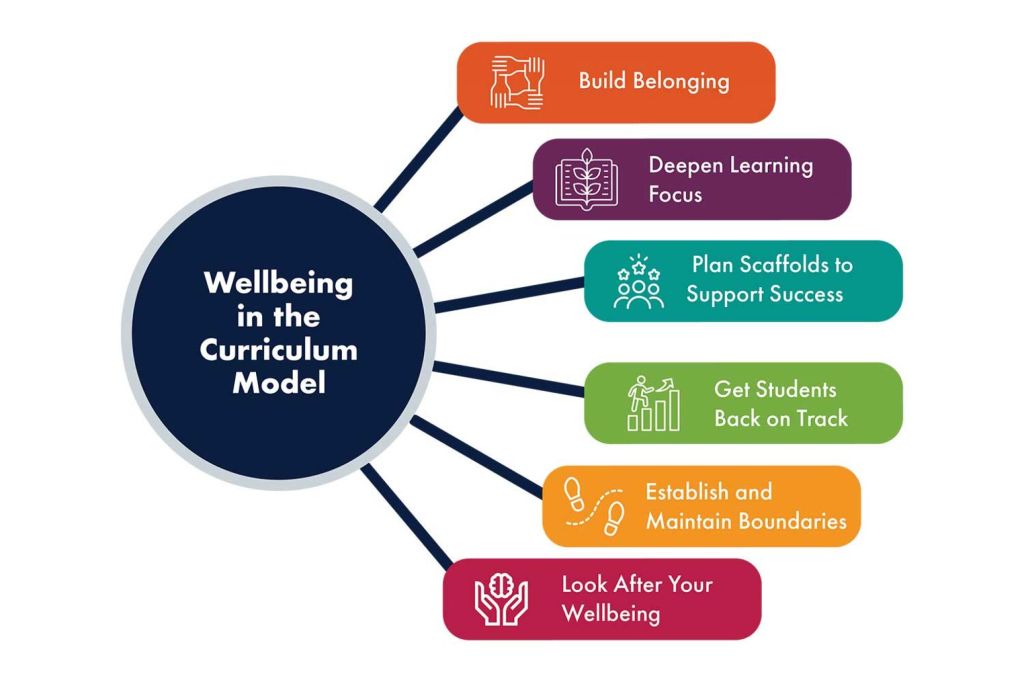
Figure 18. Wellbeing in the Curriculum. (Ulster University, Embedding Wellbeing into the Curriculum, 2025b). An ecology of care supports belonging, learning focus, success, wellbeing and persistence.
Equality, Diversity and Inclusion in the Curriculum Toolkit (2025)
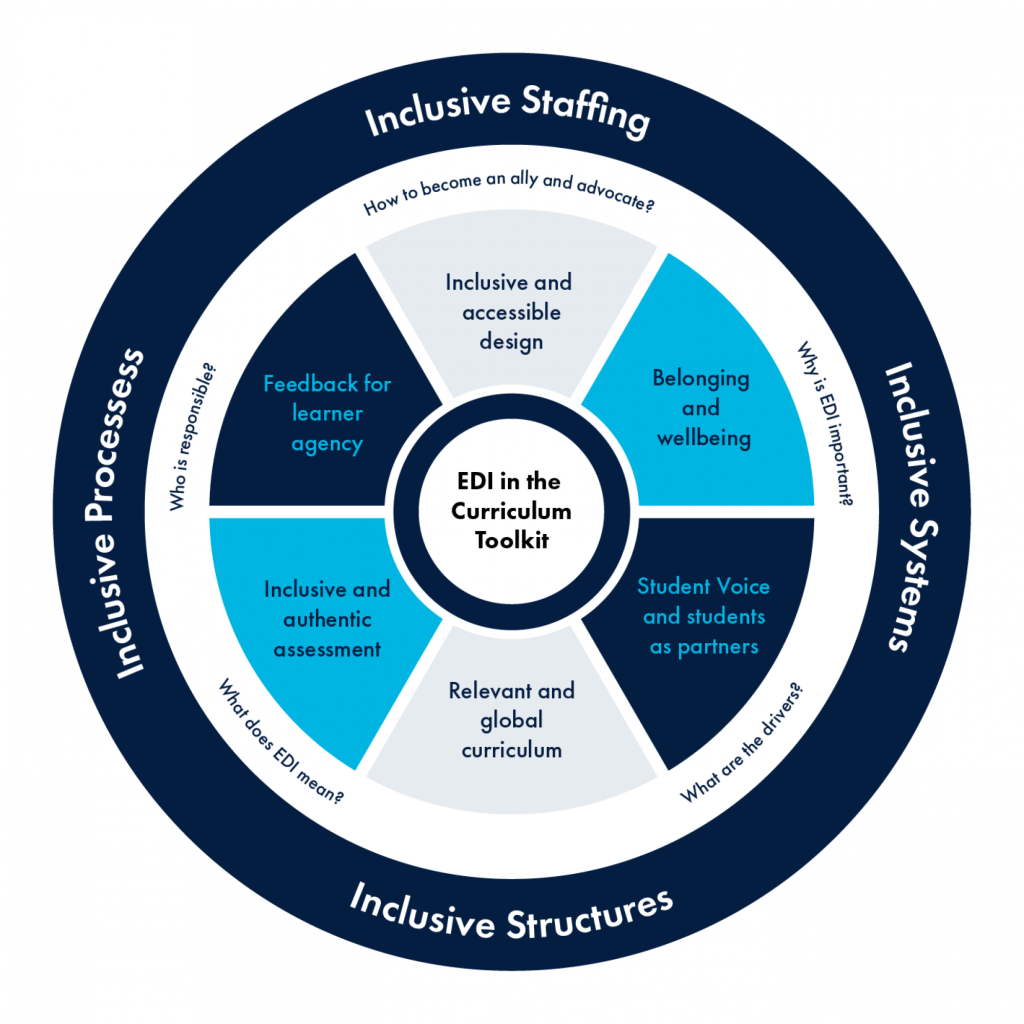
Figure 19. EDI in the Curriculum Toolkit, Relevant pillars for ecologies of care: inclusive design, belonging and wellbeing, student voice and student partnership.
Ulster University Graduate Attributes (2025)


Figure 20 and Figure 21. An ecology of care contributes to Ulster University’s Graduate Attributes of Thriving Individual and Engaged Learner (Ulster University, 2025c).
Thriving Individual
Enhancing Potential, Personal Confidence and Resilience, Wellbeing, Growth Mindset
Engaged Learner
Subject Specialist, Problem Solver, Researcher, Critical Thinker,
Education for Sustainable Development as Active Learning (2025)
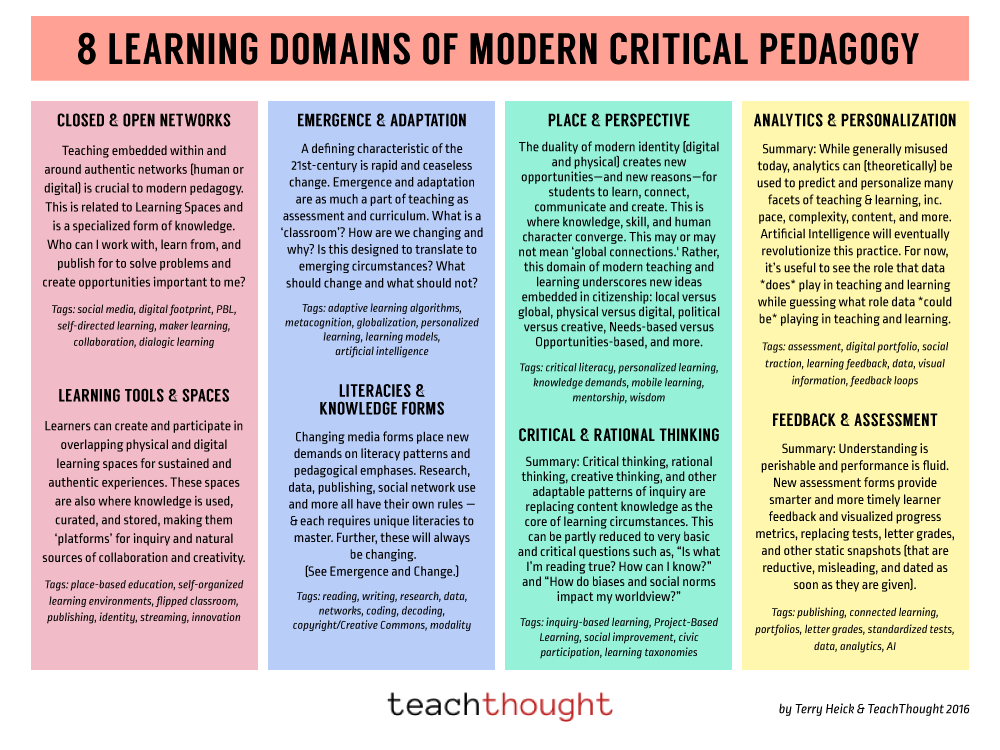
Figure 22. Eight Learning Domains of Modern Critical Pedagogy, (Education for Sustainable Development, 2025). Originally cited in Teach Thought by Terry Heick (2025). The ecology of care ethos supports the following features of critical pedagogy: open networks, authentic experiences, platforms of inquiry, emerging and adaptive learning spaces, place and perspective, personalisation and contextualised learning.
An Ecology of Care supports the following Education for Sustainable Development Principles and Practices:
Education for Sustainable Development Principles:
“Knowledge should relate to and develop from the lived experience of participants”
“Knowledge should be co-created between all participants in the learning process”
Education for Sustainable Development Practices
“Co-creating a flexible curriculum”
“Collaborative, democratic, and equal learning”
(Education for Sustainable Development, 2025)
“An ecology of care is a relational and restorative practice, which situates a focus point for student wellbeing within the classroom experience. As a studio can be a space dedicated for creative work in a specified classroom area, it invites learner participation and challenges an educator’s administration of a classroom environment. It also incorporates student voices and facilitates student wellbeing and accessibility requirements for reasonable adjustments. As changemakers educators can make all the difference to learning environments which proclaim uniformity rather than divergence—the art of teaching is to designate learners as the makers of their own educational experiencing within places that become them” (Whitaker, 2025).
References
Active Learning Toolkit (2025) Principles and Qualities of Learning, Teaching and Student Experience. Available from: https://www.ulster.ac.uk/learningenhancement/resources/principles-and-qualities [Accessed 7 September 2025].
Barad, K. (2021) An experimental lecture with Karen Barad. Available from: https://youtu.be/l9OQjStWVGg?si=KVp3hK0KdjPl0ujS [Accessed 7 September 2025].
Ecologies of Care (2025) About the EoC Group. Available from: https://ecologiesofcare.org/about [Accessed 31 August 2025].
Education for Sustainable Development (2025) Critical Pedagogy. Available from: https://ulster.sharepoint.com.mcas.ms/sites/ESD/SitePages/Critical-Pedagogy.aspx [Accessed 7 September 2025].
Elkington, S. and Dickinson, J. (2025) Reimagine higher education learning spaces: Assembling theory, methods, and practice. Higher Education Research & Development, 44(1), 8–19. https://doi.org/10.1080/07294360.2024.2438587
Equality, Diversity, Inclusion Toolkit (2025) EDI Toolkit Pillars. Available from: https://www.ulster.ac.uk/learningenhancement/resources/edi-toolkit [Accessed 7 September 2025].
Khan, Z. (2023) Curating aliveness: Engaging with ecologies. In: Krasny, E. and Perry, L. eds. Curating with Care. London: Routledge. Available from: DOI: 10.4324/9781003204923-25 [Accessed 31 August 2025].
Makaremi, N., Yildirim, S., Morgan, G. Touchier, M., Jakubiec, A., Robinson, J. (2024) Impact of classroom environment on student wellbeing in higher education: Review and future directions. Building and Environment, 265. Available from: https://doi.org/10.1016/j.buildenv.2024.111958 [Accessed 31 August 2025].
Master of Education in Higher Education Practice (2025) Centre for Professional Practice Enhancement, Ulster University. Available from: https://www.ulster.ac.uk/learningenhancement/cppe/proflearning/med [Accessed 6 September 2025].
MSc Art Psychotherapy (2023) Found objects, assembling narratives. 19 October. Available from: https://arttherapytrainingandstudiogroups.wordpress.com/2023/10/19/found-objects-assembling-narratives/
MSc Art Psychotherapy (2024) Animal architecture: Nesting habitats. MSc Art Psychotherapy course blog: Materials, methods and practice. 7 March. Available from: https://arttherapytrainingandstudiogroups.wordpress.com/2023/10/19/found-objects-assembling-narratives/https://arttherapytrainingandstudiogroups.wordpress.com/2024/03/07/nesting/ [Accessed 6 September 2025].
Rogers, J. (2025) The science of nests. Available from: https://www.holeandcorner.com/long-reads/the-science-of-nests [Accessed 31 August 2025].
Tan, M. (2019) Art and design education in the ecology of care. International Journal of Art and Design Education, 38 (4), 878-886. Available from: https://shura.shu.ac.uk/28360/1/TanMKB_ArtDesignEducationIntheEcologyofCare.pdf [Access 31 August 2025].
Teach Thought (2025) Eight Learning Domains of Modern Critical Pedagogy by Terry Heick. Available from: https://www.teachthought.com/the-future-of-learning-posts/21st-century-pedagogy/ [Accessed 7 September 2025].
Ulster University (2023) People, Place and Partnership. Available from: https://www.ulster.ac.uk/people-place-and-partnership/strategy/our-commitments [Accessed 7 September 2025].
Ulster University (2025a). The Principles and Qualities of Learning, Teaching and Student Experience. Available from: https://www.ulster.ac.uk/learningenhancement/resources/principles-and-qualities [Accessed 7 September 2025]/
Ulster University (2025b) Embedding Wellbeing into the Curriculum. Available from: https://www.ulster.ac.uk/learningenhancement/resources/wellbeing-in-the-curriculum [Accessed 7 September 2025].
Ulster University (2025c) Graduate Attributes. Available from: https://www.ulster.ac.uk/graduateattributes [Accessed 7 September 2025].
United Nations (2015) Sustainable Development Goals. Available from: https://sdgs.un.org/goals [Accessed 7 September 2025}.
Whitaker, P. (2025) An Ecology of Care in Higher Education: The Studio Classroom, PHE 720, Action Research Project 2024-2025. Ulster University. Unpublished Project Report.
Featured Image Photo Credit: Research Participant, The Space Between Things. Reflections upon a home ecology of care display.
 Ecologies of Care in Higher Education